News & Insights
GUIDE: Funding campus infrastructure renewal
Campus infrastructure renewal is often treated as a series of individual projects instead of a long-term financial obligation. Salas O’Brien’s guide helps facilities and finance leaders get on the same page about the full cost of ownership, then choose a funding approach that supports planned renewal rather than emergency spending.
Contributors
When the real cost never reaches the budget
Campus renewal stalls when the real cost remains invisible in the budget, and the funding conversation starts only after the options have narrowed.
The challenge is that operations & maintenance budgets (O&M) report one type of number, but the capital tied up in the plant, the depreciation running against it, and deferred maintenance and future renewal obligations sit elsewhere.
APPA reports that roughly two-thirds of a facility’s total cost comes after project delivery—through operations, maintenance, renewal, replacement, and end-of-life obligations.
The cost of waiting compounds. Higher-education capital-renewal backlogs reached $156 per gross square foot in 2026, according to Gordian. Deferring maintenance can increase repair and operating costs and lead to premature asset replacement.
Before an institution can decide how to fund renewal, it needs a clear picture of the cost. This guide starts there, then compares four funding approaches (debt, dedicated reserves, a blended portfolio, and a public-private partnership) and the tradeoffs of each.
The full cost in one line
Operated like a utility, an institution can establish total cost of service using a Uniform System Accounts methodology—the same framework utilities and regulators use nationwide to support sustainable operations.

Ways to fund renewal
Once the full obligation is visible, the question becomes how to fund it. The right approach depends on the institution’s capital capacity, desired control, risk tolerance, and the scale and type of renewal.

Three things to do before choosing a funding path
1. Establish the obligation
Know the age and condition of the infrastructure and size the full cost using the revenue requirement above.
2. Match the mechanism to the work
Weigh capital cost, control, execution responsibility, and long-term flexibility against the needs of the renewal program.
3. Fund the strategy, not the individual project
A renewal program needs a mechanism that supports a sequence of work rather than forcing every project to compete for funding from scratch.

The next move
- Make it visible: Put the full revenue requirement in front of finance, not just O&M, so the infrastructure obligation is visible in the budget.
- Fund it continuously: Establish a dedicated funding mechanism so that renewal is planned rather than addressed on a project-by-project basis.
- Protect the funding: Ring-fence savings by policy so they remain available for future renewal.
Why Salas O’Brien for infrastructure design & consulting?
Infrastructure improvement involves a series of connected decisions across capital planning, process, utilities, and operations. That complexity is where many efforts stall.
Salas O’Brien brings those systems together.
Funding renewal starts with understanding what the institution owns, what it costs to operate, and what it will take to renew. Salas O’Brien brings planning and multidisciplinary engineering together to connect infrastructure condition, lifecycle cost, capital planning, and energy strategy – giving campus leaders a clearer basis for deciding what to fund, when, and how.
The result: renewal funded on purpose, rather than paid for in emergencies.
Want to discuss your project? Reach out to [email protected].
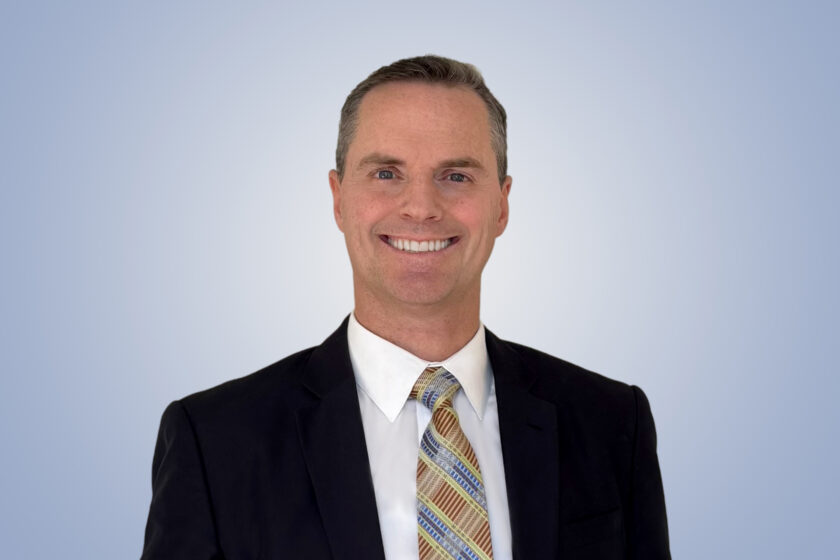
Robert McKenna, MBA
Robert McKenna advises higher education and institutional clients on long-term energy strategy, infrastructure resilience, and cost-effective decarbonization. His recent work includes district energy transformation and carbon neutrality planning for major university systems. Robert serves as Director of Energy Planning at Salas O’Brien. Contact him at [email protected].
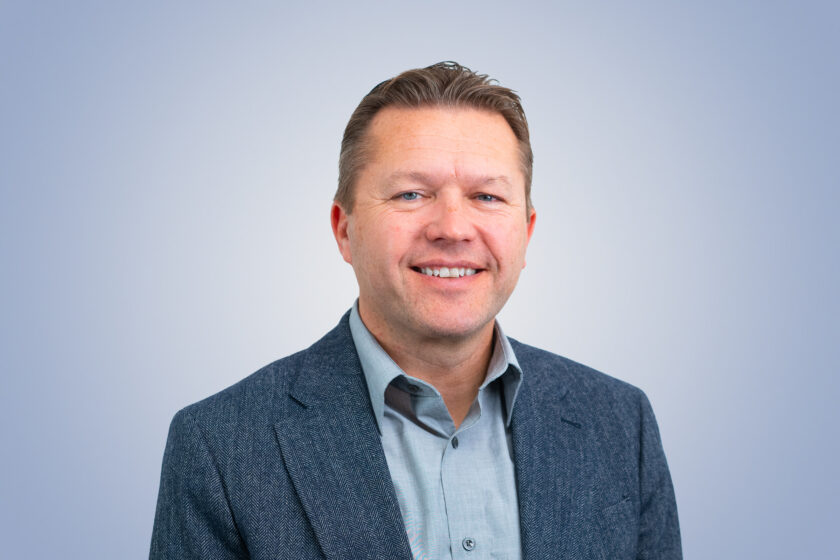
Tom Iskra, PE, LEED AP
Tom Iskra, PE, LEED AP, has over 25 years of experience in project management, design, and construction of innovative projects that maximize efficiency and minimize environmental impact. Tom is actively involved in campus planning and decarbonization efforts at various public and private institutions across the Northeast. Tom holds a Bachelor’s degree from the University of Connecticut and Master’s degrees from the University of California, Berkeley, and Harvard University’s Graduate School of Design. Tom serves as a Principal at Salas O’Brien in the Boston, MA office. Contact him at [email protected].